
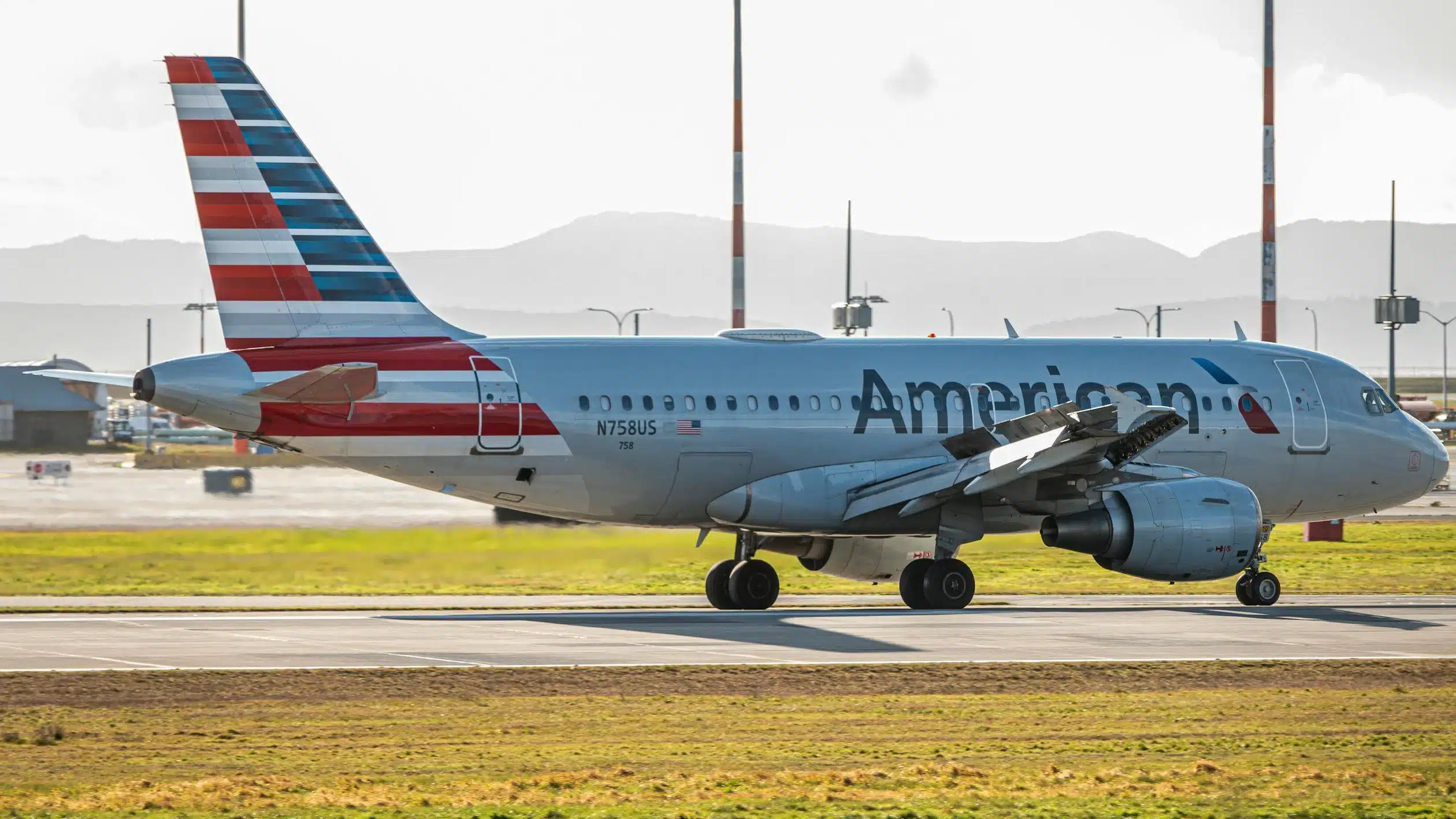
How do U.S. airlines handle pet travel? In the United States, airlines typically offer four main methods for transporting pets: in-cabin, as checked baggage, as pet cargo, and via semi-private or private airlines. What are the rules and considerations for each method? This article explores each method, outlines airline-specific policies, and provides tips to ensure a safe and comfortable journey for your pets.
Summary of U.S. Airline Pet Policies
To help you navigate the various airline policies, here’s a summary table of domestic pet travel options for major U.S. carriers.
An asterisk (*) marks a fee that is still the 2024 figure. Airlines change pet fees often, so confirm the current fee before you book.
| Airline | Pets Allowed In-Cabin | Pets Allowed as Baggage | Pets Allowed as Cargo | Fees |
|---|---|---|---|---|
| Alaska Airlines * | Cats, small dogs, rabbits, household birds | Cats, dogs, ferrets, guinea pigs, hamsters, household birds, non-poisonous reptiles, pot-bellied pigs, rabbits, tropical fish | Most species are accepted; No “short-nosed” dogs or cats. | In-Cabin: $100 each way; As Baggage: $150 each way |
| American Airlines | Cats, small dogs | Not available [1] | Cats, dogs; No “short-nosed” dogs or cats; Some aggressive dog breeds are banned as well. | In-Cabin: $150 each way |
| Delta Air Lines | Cats, small dogs, household birds | Not available except for qualifying military and Foreign Service personnel [2] | Not available | In-Cabin: $150 USD/CAD each way to/from U.S., Canada, Puerto Rico and U.S. Virgin Islands for tickets issued on or after April 8, 2025; $200 USD/CAD/EUR for international travel |
| Frontier Airlines | Cats, small dogs, rabbits, guinea pigs, hamsters, small household birds | Not available | Not available | In-Cabin: $149 each way |
| Hawaiian Airlines | Cats, small dogs | Cats, dogs, household birds; No “short-nosed” dogs or cats. | Dogs, cat, tropical fish and crustaceans; certain “short-nosed” dogs and cats no longer accepted (see the update below the table) | Pet fees: $100-$200 each way, depending on route and type of travel |
| JetBlue Airways | Cats, small dogs | Not available | Not available | In-Cabin: $150 each way |
| Southwest Airlines | Cats, small dogs | Not available | Not available | In-Cabin: $125 each way |
| Spirit Airlines * | Cats, small dogs, rabbits, household birds | Not available | Not available | In-Cabin: $125 each way |
| United Airlines * | Cats, small dogs | Not available [1] | Not available | In-Cabin: $150 each way |
| Semi-Private / Private Airlines | Depends | Depends | Depends | Varies. Extra seat purchase may be required for larger pets. |
Update: Beginning October 1, 2026, Alaska Airlines, Hawaiian Airlines, and Horizon Air no longer accept certain short-nosed dog and cat breeds in the cargo hold (notice on brachycephalic (short-nosed) breed restrictions). Confirm the rules with the airline before you book. Confirm the rules with the airline before you book.
Notes:
- American Airlines and United Airlines accept pets in the baggage compartment for active-duty U.S. military and U.S. State Department Foreign Service personnel traveling on official orders.
- Delta Air Lines accepts pets as checked baggage only for active-duty U.S. military and U.S. State Department Foreign Service personnel, and their spouses, with active transfer orders, booked at least 48 hours before departure (Delta agency pet policy). That is a checked-baggage exception, separate from anything Delta Cargo handles.
- Hawaiian Airlines and Southwest Airlines charge less for pets traveling between Hawaiian Islands.
- Read our blog post for more information about flying with a “short-nosed” pet.
Fees and rules change often; for the current direction of travel, see why flying with a pet is getting harder and pricier.
Four Different Methods of Flying with a Pet
Method 1: In-Cabin Pet Travel
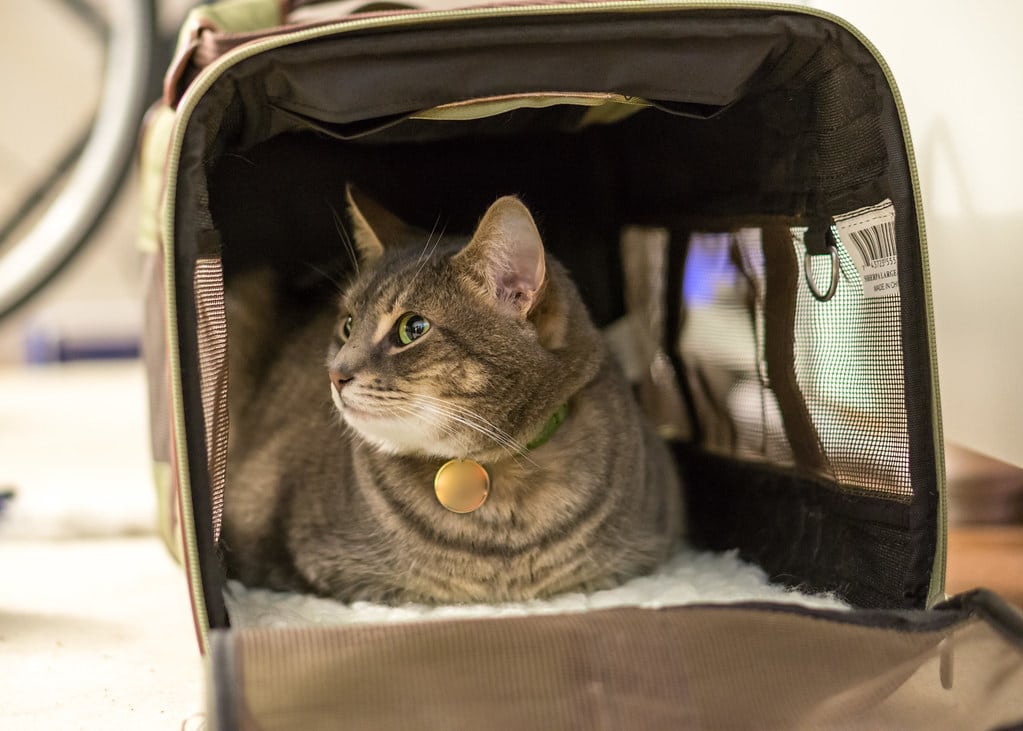
Many airlines allow small dogs and cats to travel in the cabin, provided they are properly contained in an airline-approved pet carrier that fits under the seat in front of you. This option is ideal for those who prefer to keep their pets close during the flight. However, it’s important to note that there are restrictions on the number of pets allowed in the cabin, and fees typically range from $100 to $150 each way. Here are some key points to consider for in-cabin pet travel:
-
Pet carriers count as your carry-on baggage, so you may only bring one personal item in addition to the pet carrier.
-
Pets must remain in their carriers for the entire duration of the flight, including during boarding and deplaning.
-
Airlines have specific size and weight restrictions for in-cabin pet carriers, so be sure to check the requirements before booking.
-
Some airlines have breed restrictions for in-cabin travel, particularly for snub-nosed or brachycephalic breeds.
-
Advance reservations are usually required, and airlines may limit the number of pets allowed per flight.
Method 2: Checked Baggage Pet Travel
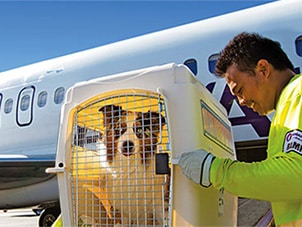
For larger pets or those that cannot travel in the cabin, some airlines offer the option of checking them as baggage. In this case, your pet will travel in a separate, pressurized and climate-controlled compartment in the cargo hold. Fees for this service can vary widely, ranging from $100 to $300 or more, depending on the airline and the size of your pet. When checking your pet as baggage, keep the following in mind:
- Your pet must be properly contained in an airline-approved kennel or crate that meets specific size and ventilation requirements.
- You’ll need to provide a valid health certificate from a licensed veterinarian, confirming that your pet is fit for air travel.
- Airlines may have breed restrictions or limitations on the number of pets allowed per flight.
- Pets traveling as checked baggage may be subject to additional fees or restrictions, such as layover time limits or temperature restrictions.
Method 3: Cargo Pet Travel
Cargo pet travel offers a flexible and reliable option for transporting larger animals or those not permitted to travel in the cabin or as checked baggage. This method allows your pet to travel independently of you, making it convenient for long-distance relocations or when your travel plans don’t align. Pets transported as cargo travel in a separate, pressurized, and climate-controlled compartment, ensuring their comfort and safety. When considering cargo pet travel, keep the following advantages in mind:
- Flexible scheduling: Pets can be shipped independently, providing more options for convenient travel times.
- Professional handling: Airlines’ cargo departments, along with professional pet shippers, specialize in transporting animals, ensuring they are well cared for throughout the journey.
- Safety and comfort: Pets travel in specially designed compartments that maintain proper temperature and pressure conditions.
- Comprehensive service: Many airlines and professional pet shippers offer additional services, such as pet delivery to your destination or handling arrangements for layovers.
Method 4: Flying with Semi-Private and Private Airlines
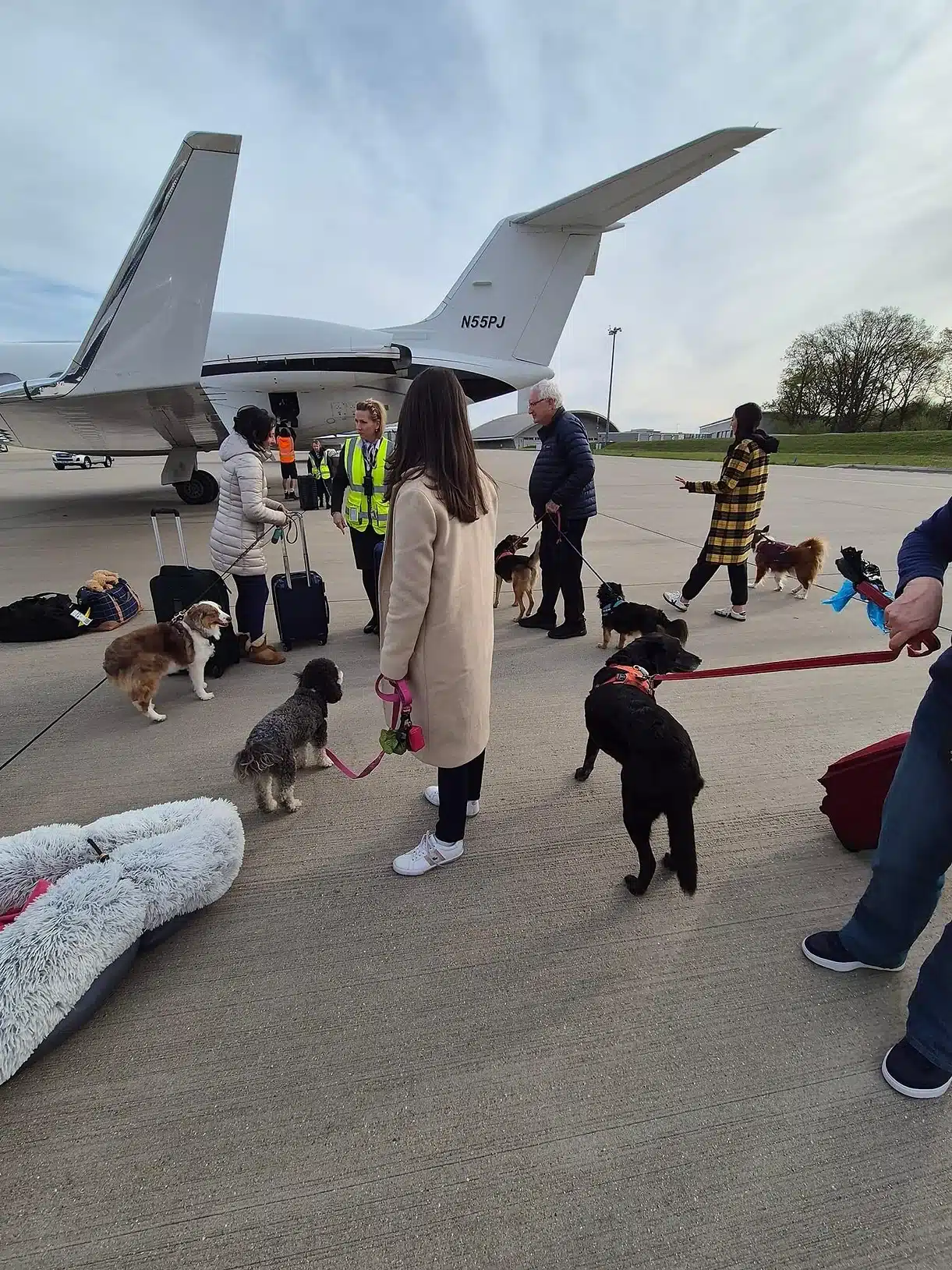
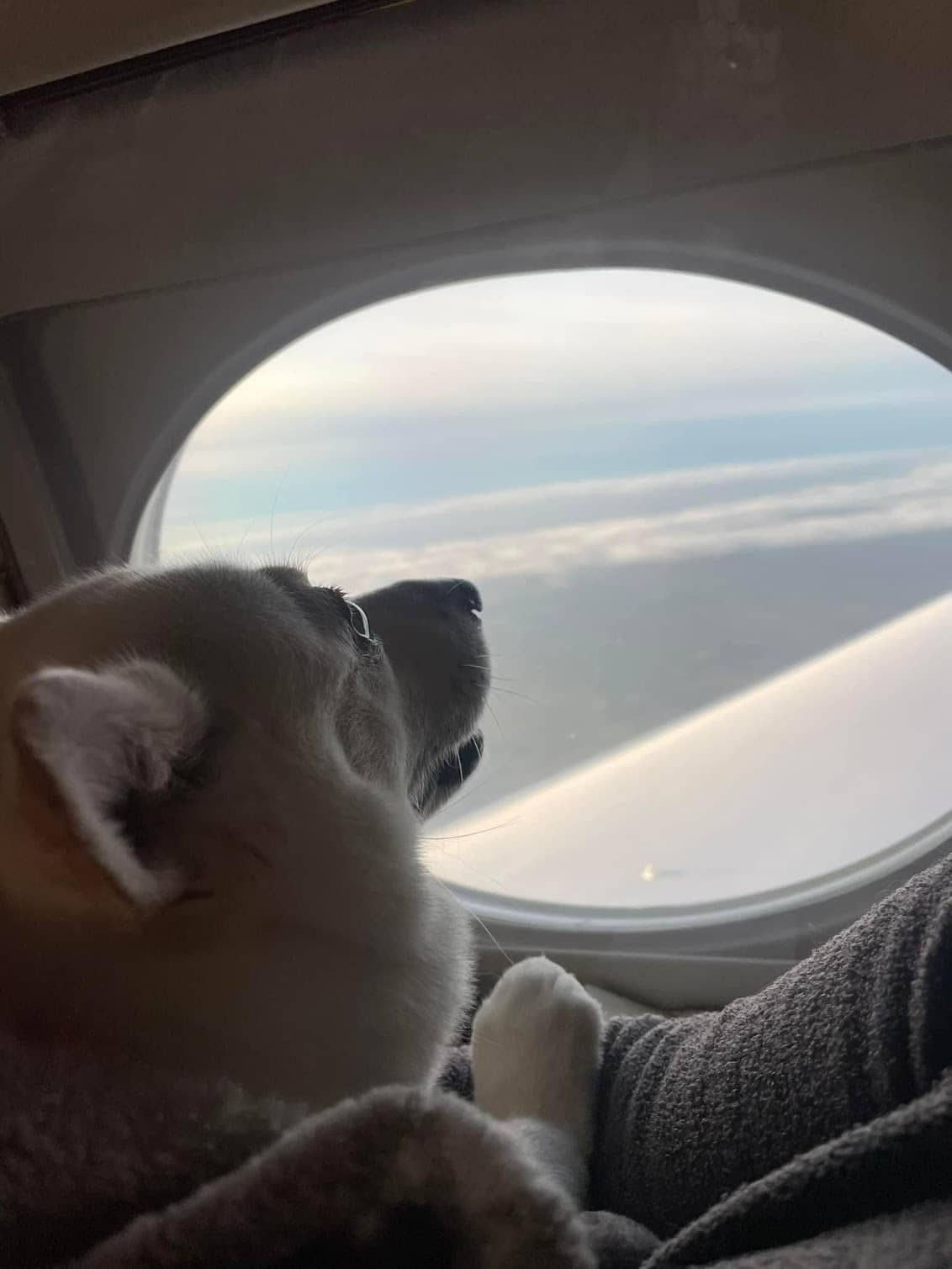
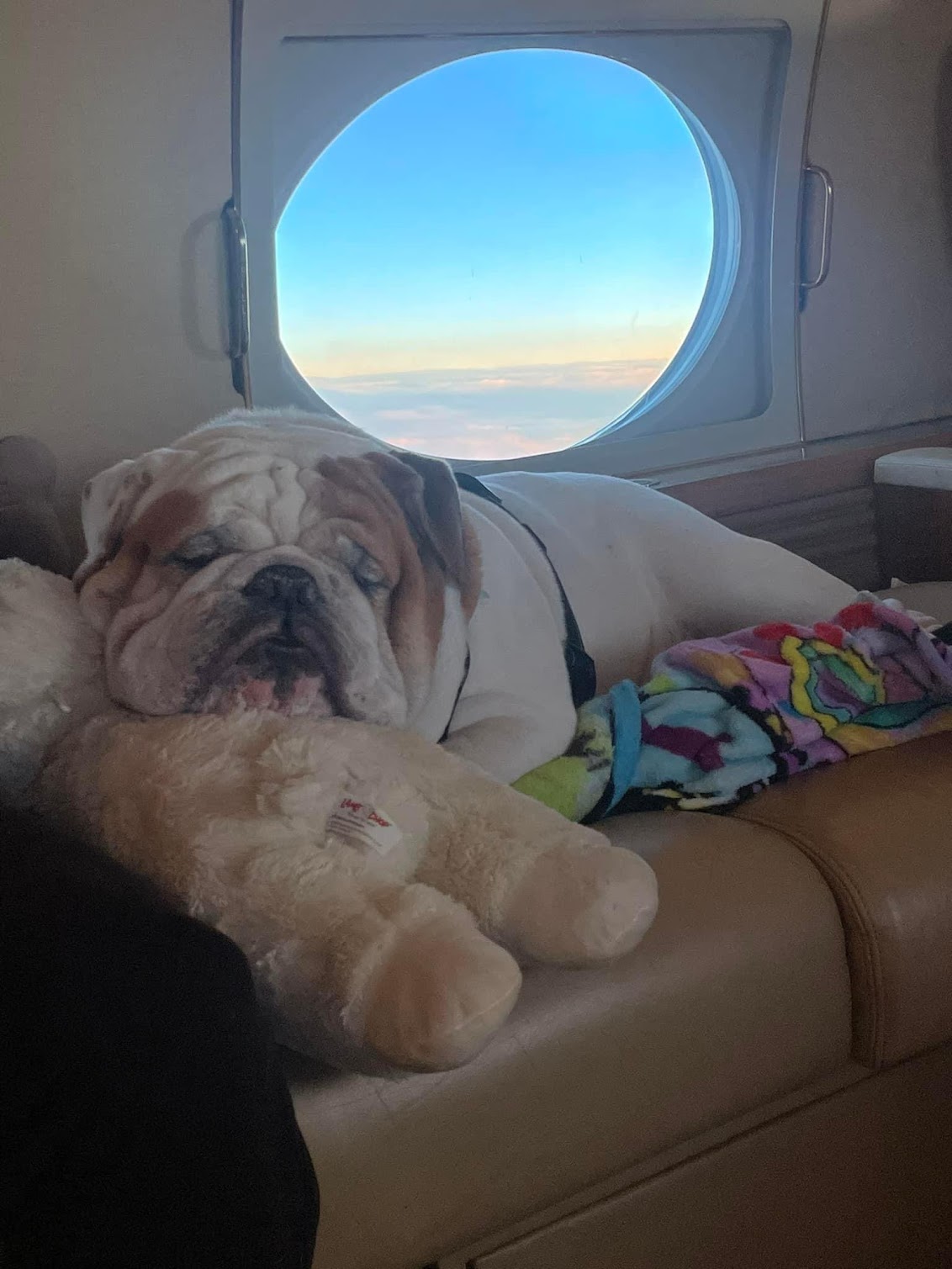
For those seeking a more personalized and pet-friendly experience, semi-private or private airlines like JSX and K9 Jets offer an alternative to traditional commercial airlines. These airlines typically have more relaxed policies regarding pet travel and may allow larger pets or those not permitted on commercial flights. When flying with these airlines, keep in mind:
-
Pets are generally allowed in the cabin, but there may be weight or breed restrictions.
-
Advance reservations and documentation, such as health certificates, may still be required.
-
Fees for pet travel can be higher than those charged by commercial airlines.
-
These airlines often have fewer routes and schedules, which may limit travel options.
Why U.S. Airlines Are Transitioning to Shipping Pets as Cargo
Over the past decade, many U.S. airlines have shifted from allowing pets as checked baggage to shipping them as cargo for enhanced safety and care. Pets traveling as checked baggage must accompany their owners, limiting scheduling options. In contrast, cargo shipping allows pets to travel independently, offering more flexible and often quicker routes.
Cargo shipping involves trained personnel using temperature-controlled vans and priority loading/unloading, reducing stress and exposure to extreme temperatures. In comparison, checked baggage pets are managed by standard baggage handlers, lacking specialized care.
Both methods require health certificates and compliance with regulations, but cargo shipping enforces these requirements more strictly, ensuring pets meet all safety standards. In summary, while both travel methods may place pets in the same cargo hold, cargo shipping offers better logistics, specialized care, and stricter health checks for a safer, more comfortable journey. For a closer comparison, see our guide to manifest cargo vs. checked-in baggage for pets.
Final Words
Traveling with pets can be a smooth and enjoyable experience with the right preparation and knowledge of airline policies. Whether you’re flying with your pet in-cabin, as checked baggage, as cargo, or via semi-private or private airlines, understanding the requirements and making the necessary arrangements in advance is crucial.
For those looking for added convenience and peace of mind, hiring a professional pet shipper like Transcon Pet Movers can make all the difference. With expertise in handling the logistics of pet travel, we ensure your furry friend receives the best care and attention throughout the journey.
Related blog posts:
- What’s the Cost of Shipping a Large Dog Across the US?
- Flying with Snub-Nosed Pets: A Comprehensive Guide
- 2024 Canadian Airline Pet Policy Guide: 4 Methods of Flying with a Pet
References
- https://www.delta.com/us/en/pet-travel/shipping-your-pet
- https://www.transportation.gov/airconsumer/plane-talk-traveling-animals
- https://www.alaskaair.com/content/travel-info/pets
- https://www.alaskaair.com/content/travel-info/policies/pets-traveling-with-pets/pets-in-baggage-compartment
- https://community.southwest.com/t5/Travel-Policies/Pet-fees-are-rising-again/td-p/162822
- https://www.aacargo.com/learn/animals.html
- https://www.aa.com/i18n/travel-info/special-assistance/pets.jsp
- https://www.united.com/en/us/fly/travel/traveling-with-pets.html
- https://www.delta.com/us/en/pet-travel/overview
- https://www.deltacargo.com/Cargo/catalog/products/pet-transport
- https://www.aacargo.com/learn/animals-policy-and-restrictions.html
- https://support.southwest.com/helpcenter/s/article/pet-policy
Planning a move with your pet? Get a quote from Transcon Pet Movers.